
Comforter Cleaning vs Laundromat: Why Professional Laundry Gets Better Results
23rd February 2026
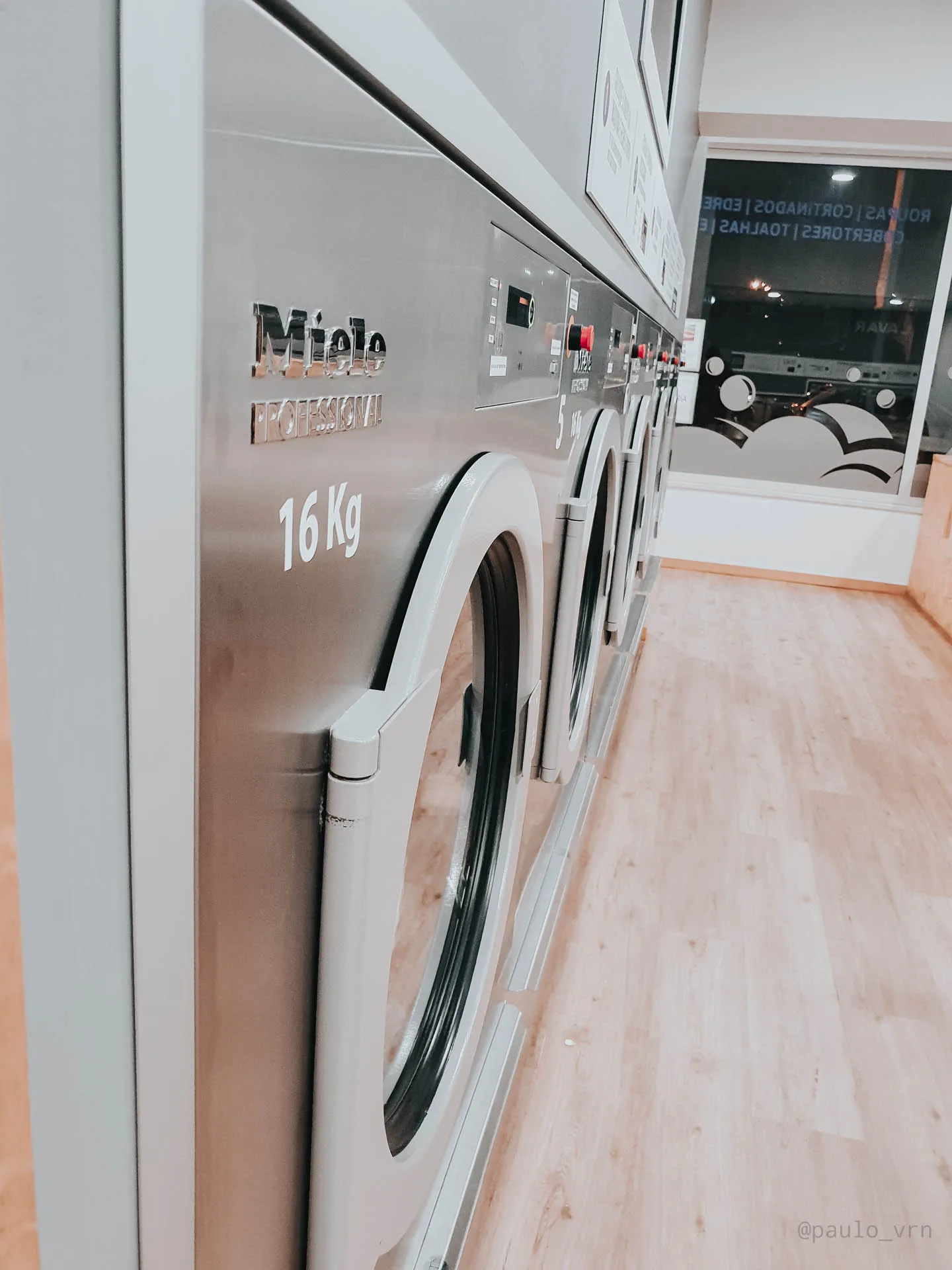
Many people wash comforters and large bedding at a laundromat. The machines look large enough, and it seems like the easiest option. But bulky bedding often benefits from professional comforter cleaning to ensure proper washing, rinsing, and drying.
Dry Cleaner vs. Laundromat: What’s the Real Difference?
Most laundromats use commercial equipment. These machines are built for durability and volume. They are designed to handle constant public use throughout the day.
Dry cleaners use professional-grade laundry systems. This is a higher class of equipment designed for controlled, item-specific laundering.
The difference comes down to:
-
Precision cycle programming
-
Exact temperature control
-
Water level calibration
-
Measured detergent dosing
-
Fabric-specific handling
A laundromat typically offers a few preset cycles that must work for everything — jeans, towels, delicates, and bedding alike. It is essentially a “one cycle fits most” system.
Professional laundering is different. Cycles are adjusted based on:
-
Fabric type
-
Soil level
-
Item size
-
Construction (quilting, stitching, fill type)
-
Color stability
A down-filled comforter requires completely different handling than towels or T-shirts.
Why Comforters Require Special Care?
Comforters are bulky and absorb large amounts of water. In a typical laundromat:
-
The drum may appear large enough, but overloading reduces proper agitation
-
Drying can be uneven, causing clumping
-
Heat settings may not match the fill type
-
Detergent residue may remain trapped inside
Professional laundering uses calibrated wash formulas designed to:
-
Fully rinse detergent residue
-
Prevent fill clumping
-
Protect stitching and seams
-
Control extraction speed
-
Maintain proper drying temperatures
The result is more even cleaning, better loft retention, and longer fabric life.
How Often Should You Wash a Comforter?
Most comforters should be cleaned every 2–3 months, depending on how frequently they are used.
Comforters gradually absorb body oils, dust, skin particles, and airborne debris over time. Even if they appear clean on the surface, these materials can build up inside the fill.
Homes with pets, allergies, or heavy use may benefit from more frequent cleaning.
Professional cleaning helps remove this buildup while protecting the comforter’s stitching, fill, and outer fabric.
Commercial vs. Professional Equipment
It’s important to clarify something:
-
Laundromats use machines designed for public self-service.
-
Dry cleaners use professional laundry systems designed for controlled garment care.
Hotels and hospitals use the same class of professional laundry systems that quality dry cleaners use.
That is one reason hotel sheets look consistently white and crisp.
Professional systems allow:
-
Measured detergent usage
-
Proper wash timing
-
Precise water temperature
-
Controlled whitening when appropriate
-
High-extraction spin cycles
Bright, clean linens are not just about bleach. They are the result of proper temperature, correct detergent amounts, and thorough rinsing.
In a laundromat, detergent amounts are estimated. Temperature options are limited. There is no adjustment based on the specific load.
Stain, Smoke & Odor Removal
Professional cleaners can treat:
-
Food and oil stains
-
Beverage stains
-
Makeup stains
-
Pet odors
-
Cigarette smoke
-
Fire and smoke damage odors
Smoke odor removal requires more than adding fragrance. It often involves targeted washing, proper detergent selection, and controlled drying to remove odor rather than mask it.
A laundromat does not include stain inspection or odor treatment.
Wash & Fold: Convenience Without Compromise
Professional wash and fold service is built around efficiency, precision, and time savings.
Convenience
Drop off your laundry and pick it up ready to put away. No sorting. No waiting on machines. No folding tables. No wasted evening.
Properly Sized Professional Equipment
Professional laundry systems are designed to handle specific load sizes with calibrated water levels, temperature control, and extraction speeds. Proper sizing prevents overcrowding, improves agitation, and allows detergent to fully circulate through fabrics. The result is a deeper, more even clean.
Neutral, Premium Detergents
Professional laundering uses carefully measured, high-quality detergents formulated to clean effectively without leaving heavy residue or overpowering fragrances. Loads are rinsed thoroughly to prevent buildup and fabric stiffness.
Most Important: It Saves Hours of Labor
Time is valuable. Washing, drying, monitoring cycles, re-drying bulky items, and folding can easily consume several hours each week. Professional wash and fold service eliminates that labor entirely. You can view our current wash & fold and comforter pricing here.
Instead of managing laundry, you simply get it back clean, folded, and ready.
When Should You Choose a Dry Cleaner?
Consider professional laundering for:
-
Large or oversized comforters
-
Down-filled bedding
-
High-quality sheets
-
Heavily soiled laundry
-
Smoke or odor concerns
-
Items with stains
-
When you want consistent results
- When you simply don’t feel like spending your day doing laundry
If you’re looking for professional comforter cleaning in Acworth, using a local cleaner with proper equipment can ensure bulky bedding is washed, rinsed, and dried correctly.
Final Thoughts
A laundromat machine may look large enough for your comforter.
But size is not the same as precision.
Professional laundering is designed around the item being cleaned — not just the volume being processed.
For bedding, wash and fold, stain removal, or professional comforter cleaning, the difference is not just convenience.
It is control, consistency, and proper care for the fabrics you rely on every day.
Latest Blog Posts
Pressing vs Ironing: Why Professional Finishing Makes Clothes Look Better
Learn the difference between pressing and ironing, how professional garment pressing works, and why clothes often look sharper after professional finishing.
6th March 2026
Can Dry Cleaning Remove Odors? Why Clothes Sometimes Still Smell After Cleaning
Can dry cleaning remove odors? Learn why clothes may still smell after cleaning and how professionals remove smoke, perfume, and musty odors.
6th March 2026
Thomas L. Jennings: Inventor of Dry Cleaning, Dry Scouring, and the Evolution to Wet Cleaning
Learn how Thomas L. Jennings invented dry scouring and shaped modern dry cleaning, from perc and hydrocarbons to today’s wet cleaning methods.
20th February 2026
How to Remove Stains From Clothes (What to Do and What to Avoid)
Learn what to do when you get an ink or food stain on clothing. Discover why rubbing stains makes removal harder and why getting garments to a professional cleaner quickly improves success rates.
20th February 2026
Do You Really Need Dry Cleaning? When Dry Cleaning Is Worth It
Is dry cleaning really necessary? Learn when you should use a dry cleaner, how it protects delicate fabrics, removes tough stains, and helps your clothes last longer.
10th February 2026