
Pressing vs Ironing: Why Professional Finishing Makes Clothes Look Better
6th March 2026
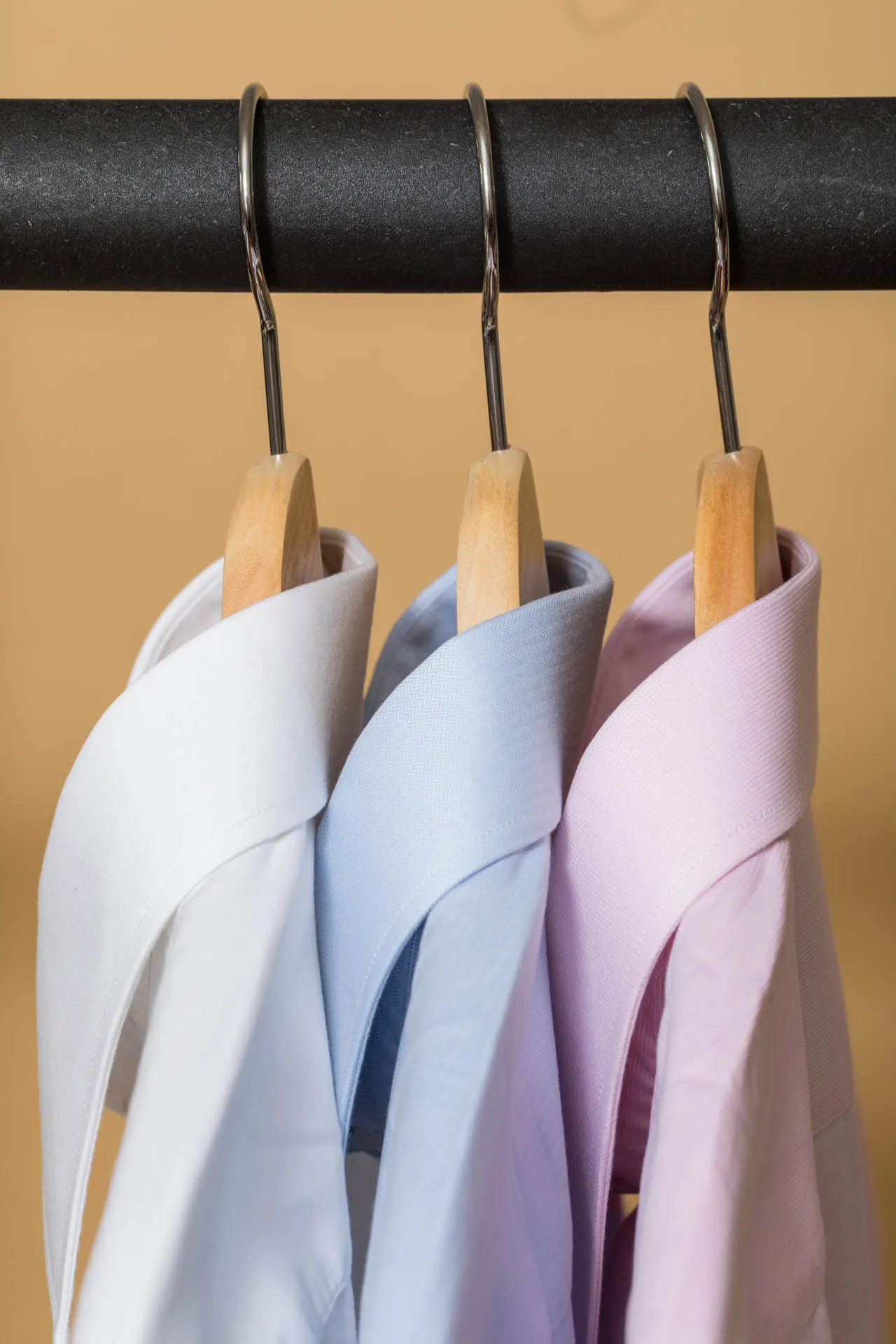
Many people assume pressing and ironing are the same thing.
Both remove wrinkles, but they are actually very different processes.
Ironing usually refers to using a household iron to smooth wrinkles from clothing. Pressing, especially in professional garment care, focuses on restoring the shape and structure of the garment itself.
This difference is one of the reasons clothes returned from a professional cleaner often look noticeably sharper than clothes finished at home.
What Is Garment Pressing?
Garment pressing is the final step in professional cleaning. After a garment has been cleaned and inspected, it is carefully shaped and finished using steam, controlled pressure, and specialized pressing equipment.
The goal is not simply to remove wrinkles, but to restore the garment to the form it was designed to have.
Professional pressing can involve:
• reshaping collars and lapels
• restoring creases in trousers
• smoothing seams and fabric panels
• removing wrinkles without damaging fibers
For structured garments like jackets, dresses, and suits, this finishing step is essential for maintaining the garment’s original appearance.
How Ironing Works at Home
Ironing at home typically involves moving a heated iron across fabric to flatten wrinkles.
While this works well for many simple garments, it has limitations.
Household irons usually rely on:
• surface heat
• light steam
• manual pressure
This can remove wrinkles, but it does not always restore the original structure of a garment. In some cases, improper ironing can even flatten areas that are meant to hold shape, such as jacket lapels or pleats.
The Difference Between Pressing and Ironing
The key difference is the purpose of each method.
Ironing focuses on removing wrinkles.
Pressing focuses on shaping the garment while removing wrinkles.
Professional pressing equipment uses controlled steam and pressure to reshape fabrics while protecting delicate fibers. Instead of sliding an iron across fabric, many pressing techniques involve carefully applying pressure to specific sections of the garment.
This helps restore the garment’s natural lines and structure.
Why Dry Cleaners Press Clothes After Cleaning
Professional pressing is not just about appearance — it is an important part of garment care.
During cleaning, fabrics relax and shift slightly. Pressing restores the garment to its intended shape and structure.
For example:
• trousers regain their crease lines
• jacket lapels return to their proper shape
• seams lay flat again
• fabric panels are smoothed evenly
Without proper finishing, even a perfectly cleaned garment can still look wrinkled or misshapen.
Pressing is the final step that prepares clothing to be worn immediately.
Do Dry Cleaners Iron Clothes?
Many people ask whether dry cleaners iron clothing.
In most cases, professional cleaners do not rely on household-style irons. Instead, they use specialized pressing equipment designed for different types of garments.
For example:
• shirt presses for dress shirts
• steam presses for jackets and trousers
• finishing equipment designed for delicate fabrics
These machines apply steam and controlled pressure evenly across the garment, helping restore shape while removing wrinkles.
How Do Dry Cleaners Press Clothes?
Professional garment pressing is done using specialized finishing equipment designed for different types of clothing.
Instead of relying on a standard household iron, cleaners typically use steam presses, form finishers, and shirt presses that apply controlled heat, steam, and pressure to the garment.
The process usually involves several steps:
• steam is applied to relax the fabric fibers
• the garment is positioned on the press or finishing equipment
• controlled pressure shapes the fabric and removes wrinkles
• the garment is allowed to cool so the shape sets properly
Different equipment is used depending on the garment. For example, dress shirts may be finished using a shirt press, while jackets and trousers are typically shaped using steam presses designed for structured garments.
This process allows cleaners to remove wrinkles while also restoring the garment’s natural structure, which is why professionally finished clothing often looks sharper than garments ironed at home.
Why Professional Pressing Makes Clothes Look Different
Many people notice that garments returned from a dry cleaner simply look better than clothes finished at home.
This is usually because of the finishing process.
Professional pressing can create:
• sharper creases in trousers
• smoother seams and panels
• better collar and lapel shape
• a cleaner overall appearance
Structured garments such as suits, coats, and dress shirts benefit the most from this type of finishing.
Why Some Clothes Are Hard to Iron at Home
Certain garments are simply difficult to finish properly using a household iron.
Examples include:
• suit jackets
• pleated trousers
• garments with structured seams
• delicate fabrics like wool or silk
These items are designed with specific shapes and construction details that can be difficult to maintain with basic ironing.
Professional finishing equipment allows cleaners to shape garments more precisely, which is why professionally finished clothing often looks noticeably sharper.
When Professional Pressing Is Most Helpful
Professional pressing is particularly useful for garments that rely on structure and shape, including:
• suits and blazers
• dress shirts
• trousers with creases
• dresses
• coats and outerwear
These garments are designed to maintain specific lines and structure, which professional finishing helps restore.
Is Ironing Still Useful?
Absolutely.
Ironing is perfectly suitable for many everyday garments such as:
• casual shirts
• cotton clothing
• simple washable fabrics
For these items, a household iron is often enough to keep clothes looking neat.
Professional pressing becomes most valuable when garments require structure, shape, or a more polished appearance.
Final Thoughts
Ironing and pressing both remove wrinkles, but they serve different purposes.
Ironing is useful for everyday wrinkle removal. Pressing focuses on shaping garments and restoring their original structure.
Professional pressing is often one of the finishing steps included with dry cleaning services.
This finishing process is one of the reasons professionally cleaned clothing often looks sharper and more polished.
For structured garments and professional clothing, the difference between ironing and professional pressing can be surprisingly noticeable.
Latest Blog Posts
Can Dry Cleaning Remove Odors? Why Clothes Sometimes Still Smell After Cleaning
Can dry cleaning remove odors? Learn why clothes may still smell after cleaning and how professionals remove smoke, perfume, and musty odors.
6th March 2026
Comforter Cleaning vs Laundromat: Why Professional Laundry Gets Better Results
Learn why comforters and bulky laundry clean better with professional wash and fold services than in typical laundromat machines.
23rd February 2026
Thomas L. Jennings: Inventor of Dry Cleaning, Dry Scouring, and the Evolution to Wet Cleaning
Learn how Thomas L. Jennings invented dry scouring and shaped modern dry cleaning, from perc and hydrocarbons to today’s wet cleaning methods.
20th February 2026
How to Remove Stains From Clothes (What to Do and What to Avoid)
Learn what to do when you get an ink or food stain on clothing. Discover why rubbing stains makes removal harder and why getting garments to a professional cleaner quickly improves success rates.
20th February 2026
Do You Really Need Dry Cleaning? When Dry Cleaning Is Worth It
Is dry cleaning really necessary? Learn when you should use a dry cleaner, how it protects delicate fabrics, removes tough stains, and helps your clothes last longer.
10th February 2026